
Process and Qualification Requirements for Opening a Retail Store in Singapore
Opening a retail store is a popular choice for many entrepreneurs in Singapore. As Singapore is an international shopping and tourism hub, there is strong market demand for diverse retail experiences. To legally operate a retail store in compliance with regulations, specific processes and legal requirements must be followed. Below is a detailed guide on the process and qualification requirements for opening a retail store.
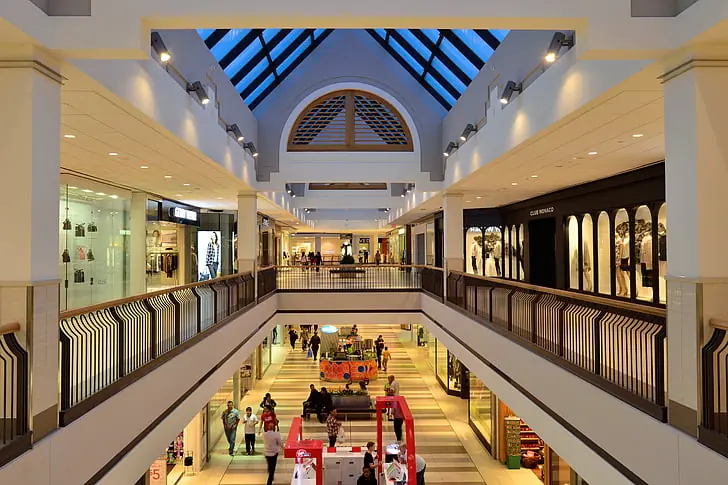
1. Market Background and Industry Analysis
1. Growth of the Retail Industry
Singapore's retail industry continues to grow, driven strongly by international tourists and local consumers. The retail market covers a wide range of sectors including fashion, electronics, home goods, food, and more. Commercial districts, shopping centers, and tourist areas provide enormous market potential for retail businesses.
2. Market Opportunities
With the proliferation of e-commerce, physical retailers can gain competitive advantage by combining online and offline multi-channel sales strategies. Additionally, Singapore's retail market emphasizes customer experience, with high-quality products and excellent customer service being keys to success.
2. Basic Process for Opening a Retail Store
1. Singapore Company Registration
First, you need to register a company with the Accounting and Corporate Regulatory Authority (ACRA). Most retail stores choose to register as a Private Limited Company (Pte Ltd), which provides limited liability and enjoys tax benefits.
- Company Name Selection: Ensure the company name complies with Singapore naming rules and passes ACRA approval.
- Submit Registration Documents: Including detailed information about directors, shareholders, company secretary, and registered address.
- Company Registration Completion: After registration, you will receive a Unique Entity Number (UEN) for subsequent qualification applications.
2. Business Location Selection and Leasing
Choosing the right store location is crucial for retail businesses. Stores are typically located in high-traffic commercial areas, shopping centers, or residential areas.
- Urban Redevelopment Authority (URA) Approval: Ensure the leased premises comply with URA's commercial use regulations.
- Lease Agreement: Sign a legal lease agreement with the landlord, clearly stating rent, lease term, and facility usage terms.
3. Applying for Relevant Licenses
Depending on the types of products sold in the retail store, different business licenses may be required. Common licenses include:
- General Business License: Retail stores need to apply for a basic business license from **Enterprise Singapore**.
- Food Sales License: If the retail store involves food sales, apply for this license from the **National Environment Agency (NEA)** to ensure food hygiene and safety.
- Liquor Sales License: If selling alcoholic beverages, apply for a liquor sales license from the **Singapore Police Force (SPF)**, specifying operating hours and types of sales.
- Tobacco Sales License: Retail stores selling tobacco products need to apply for a license from the **Health Promotion Board (HPB)**.
4. Retail License Approval Process
Applying for retail-related licenses typically involves submitting detailed business plans, store layout plans, and descriptions of services and products. Depending on the products sold, additional inspections may be required, such as food hygiene inspections and liquor sales area inspections.
5. Employee Hiring and Work Pass Applications
If the retail store plans to hire foreign employees, appropriate work passes must be applied for:
- Work Permit (WP): Suitable for low-skilled positions such as sales assistants or cashiers.
- S Pass (SP): Suitable for mid-skilled employees such as department supervisors.
- Employment Pass (EP): Suitable for senior management or high-skilled positions.
6. Goods and Services Tax (GST) Registration
If the retail store's annual revenue is expected to exceed S$1 million, you must register for Goods and Services Tax (GST) with the Inland Revenue Authority of Singapore (IRAS) and collect GST from customers.
3. Qualification and License Requirements
1. Retail Business License
All retail stores must apply for a business license to ensure compliance with Singapore laws and regulations. The specific licenses required depend on the types of goods and services offered.
2. Food Sales License
If the retail store involves selling food or beverages, apply for a Food Sales License from the National Environment Agency (NEA) to ensure food hygiene and safety standards.
3. Liquor and Tobacco Sales Licenses
Retail stores selling liquor or tobacco products need to apply for relevant licenses from the Singapore Police Force and Health Promotion Board respectively to ensure compliance with sales restrictions.
4. Government Support and Financial Incentives
The Singapore government provides various grant schemes for SMEs to help retailers improve operational efficiency and innovative services:
- Enterprise Development Grant (EDG): Supports retailers in market expansion, technological innovation, and business transformation.
- Productivity Solutions Grant (PSG): Helps retail stores improve operational efficiency through technology, such as implementing electronic payment systems or customer management systems.
5. Summary
Opening a retail store in Singapore requires completing multiple steps from company registration to applying for business licenses and complying with GST regulations. By ensuring legal and compliant operations and leveraging government support programs, retail stores can achieve success in the Singapore market. If you have more questions about opening a retail store, we recommend consulting our business advisors.