
Process and Qualification Requirements for Opening a SPA Massage Shop in Singapore
Singapore's SPA and massage industry has grown rapidly in recent years, attracting local residents and tourists with its comfortable environment and high-quality services. Opening a SPA massage shop requires strict compliance with laws and regulations, and applying for necessary licenses and qualifications. The following is a detailed process and qualification requirements to help you successfully open a SPA massage shop.
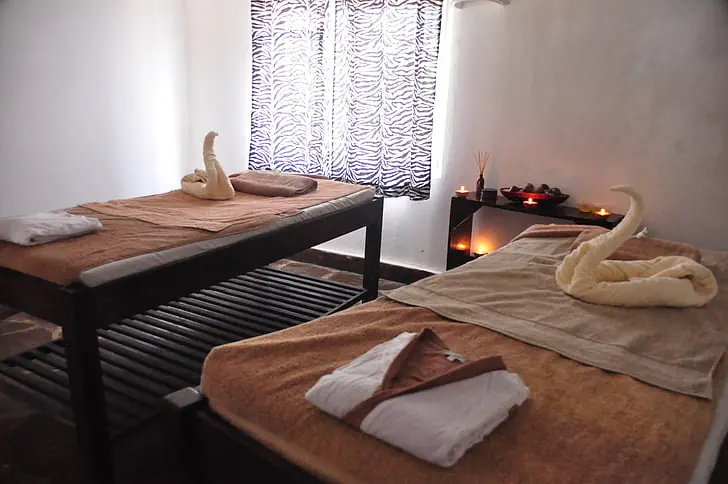
1. Market Background and Industry Analysis
1. Growth of the SPA Massage Industry
As an international tourist destination, Singapore has strong demand for high-end SPA and massage services, especially in tourist areas, business districts, and upscale residential areas. The increasing demand from residents and international tourists for physical and mental health and relaxation has driven the industry's vigorous development.
2. High-Quality Service and Innovation
Providing excellent customer experience is a key success factor for SPA massage shops. Combining traditional massage therapies with modern technologies, such as hydrotherapy, aromatherapy, hot stone therapy and other innovative services, can help stand out in the competitive market.
2. Basic Process for Opening a SPA Massage Shop
1. Singapore Company Registration
First, you need to register a company with the Accounting and Corporate Regulatory Authority (ACRA) register a Singapore company. Most SPA massage shops choose to register as a Private Limited Company (Pte Ltd), as this structure provides limited liability and can enjoy tax benefits.
- Company Name Selection: Ensure the company name passes ACRA's review and complies with Singapore's naming rules.
- Submit Registration Documents: Including detailed information of directors, shareholders, company secretary, and registered address.
- Obtain Unique Entity Number (UEN): After successful company registration, obtain a unique entity number for subsequent license applications.
2. Business Location Selection and Leasing
The location of a SPA massage shop is crucial, typically choosing places with high foot traffic and convenient transportation, such as shopping centers, business districts, or upscale residential areas.
- Urban Redevelopment Authority (URA) Approval: Ensure the leased premises' usage complies with the Urban Redevelopment Authority's regulations and obtain business permits.
- Lease Agreement: Sign a legal lease agreement with the landlord, clearly stating the lease term, rent, and usage.
3. Apply for Relevant Licenses
Opening a SPA massage shop involves various services, therefore requiring a series of related licenses:
- Massage Establishment License: Issued by the **Singapore Police Force (SPF)**, allowing the provision of massage services. Different types of massage services may require different licenses, especially if providing traditional massage that does not involve medical treatment.
- Personal Care Services License: If the SPA shop provides beauty services, slimming services, or other services involving body care, you need to apply for the corresponding license from the **Health Sciences Authority (HSA)**.
- Business License: All businesses need to apply for a business license from **Enterprise Singapore**.
4. Hygiene and Safety Standards
SPA massage shops must comply with strict hygiene and safety standards, ensuring all equipment and supplies meet hygiene regulations, especially when involving skin contact or using beauty instruments.
- Hygiene Requirements: All tools and equipment that come into contact with customers' skin need regular cleaning and disinfection to ensure cross-infection is avoided.
- Employee Training: All employees providing care or massage services need professional training and hold relevant qualifications.
5. Hiring Employees and Work Pass Applications
SPA massage shops typically need to hire masseurs, beauticians, or other technical personnel. If hiring foreign employees, appropriate work passes need to be applied for:
- Work Permit (WP): Suitable for low-skilled employees, such as junior masseurs.
- S Pass (SP): Suitable for mid-skilled employees, such as experienced masseurs or SPA therapists.
- Employment Pass (EP): Suitable for senior management or highly skilled positions.
6. Goods and Services Tax (GST) Registration
If the SPA massage shop's annual revenue is expected to exceed SGD 1 million, you need to register for Goods and Services Tax (GST) with the Inland Revenue Authority of Singapore (IRAS) and collect GST from customers.
3. Qualification and License Requirements
1. Massage Establishment License
All SPA shops providing massage services must apply for a Massage Establishment License from the Singapore Police Force (SPF) to ensure the business complies with Singapore's legal requirements.
2. Beauty and Personal Care Services License
If the SPA massage shop provides beauty services, slimming, or other services involving body care, you need to apply for a Personal Care Services License to ensure services comply with the Health Sciences Authority's regulations.
3. Hygiene and Safety Standards
SPA massage shops must strictly comply with hygiene standards, ensuring equipment is safe and hygienic, and regularly disinfected.
4. Government Support and Funding Programs
The Singapore government provides various funding programs for small and medium enterprises to help SPA massage shops improve operational efficiency and service quality:
- Enterprise Development Grant (EDG): Supports SPA massage shops in market expansion, service innovation, and employee training development.
- Productivity Solutions Grant (PSG): Helps SPA massage shops improve operations and customer management efficiency through technology solutions.
5. Summary
Opening a SPA massage shop in Singapore involves multiple steps, from company registration, applying for necessary licenses to complying with hygiene and safety standards. By applying for relevant qualifications and combining innovative services with excellent customer experience, SPA massage shops can achieve success in Singapore's beauty and health market. If you have any further questions, we recommend consulting our business advisors.