
Process and Qualification Requirements for Opening a Bar in Singapore
As a global business and tourism hub, Singapore has a stable market demand for bars. Whether tourists or local residents, the demand for high-quality bars continues to increase. However, opening a bar requires compliance with a series of laws and regulations and obtaining necessary qualifications and licenses. Below is a detailed process and qualification requirements for opening a bar.
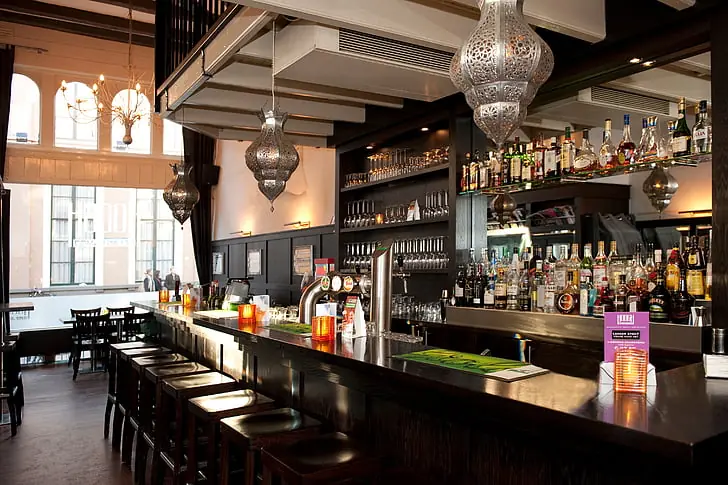
1. Market Background and Industry Analysis
1. Market Opportunities in the Bar Industry
Singapore's bar culture is rich and diverse, mainly concentrated in tourist areas, commercial centers, and areas with active nightlife. With the influx of international tourists and local demand for diverse alcoholic beverages and entertainment, the bar market shows a steady growth trend.
2. Innovation and Service
Innovative alcoholic products and quality service are key factors for bar success. By offering custom cocktails, themed bar experiences, or live music services, bars can attract different consumer groups and stand out in competition.
2. Basic Process for Opening a Bar
1. Singapore Company Registration
First, you need to register a Singapore company with the Accounting and Corporate Regulatory Authority (ACRA). Bars typically choose the form of Private Limited Company (Pte Ltd) as it provides limited liability and tax benefits.
- Company Name Selection: Ensure the company name passes ACRA review and complies with relevant naming regulations.
- Submit Documents: Including detailed information about directors, shareholders, company secretary, and the bar's registered address.
- Company Registration Completion: Obtain a Unique Entity Number (UEN) for applying for other licenses.
2. Business Location Selection and Lease
The location of a bar is crucial to its success. Location selection should consider target consumer groups, transportation convenience, and legal restrictions on business areas:
- Urban Redevelopment Authority (URA) Regulations: Bars must be located in permitted commercial zones or designated entertainment areas.
- Lease Agreement: Ensure signing a legal lease agreement with the landlord, clearly stating rent, lease term, and usage terms.
3. Liquor Licence
In Singapore, bars must obtain a liquor licence issued by the Singapore Police Force (SPF) to legally sell alcoholic beverages. Depending on different operating hours and sales models, licenses are divided into the following categories:
- Public House Licence: Applicable for selling alcohol in fixed premises.
- Class 1 Licence: Allows bars to sell alcohol operating until midnight or later.
- Class 2 Licence: Applicable for bars that close before midnight.
- Application Process: Applicants need to submit detailed information about the bar's premises, layout plans, and operating hours. Approval time is typically 14 to 30 days.
- Application Fees: Fees vary based on operating hours and alcohol sales type, ranging from SGD 520 to SGD 2,000.
4. Public Entertainment Licence
If the bar plans to provide live music, DJ, or other entertainment activities, it must apply for a Public Entertainment Licence from the Singapore Police Force. This license specifies whether the bar can provide live performances, karaoke, music playback, and other entertainment activities.
- Application Process: Applicants need to submit detailed information about entertainment activities, operating hours, and safety plans.
- License Fees: Fees vary based on the type and duration of entertainment activities.
5. Food Shop Licence
If the bar plans to provide food services (such as snacks or meals), it must apply for a Food Shop Licence. This license is issued by the National Environment Agency (NEA) to ensure the bar's hygiene standards comply with food safety regulations.
- Application Process: Need to submit the bar's kitchen design drawings, food handling procedures, and details of sanitary facilities.
- Approval Time: Usually 1 to 2 weeks, the approval process may require on-site inspection.
6. Hiring Employees and Work Pass Applications
Bar operations involve service staff, chefs, bartenders, and other positions. If hiring foreign employees, appropriate work passes must be applied for based on the position:
- Work Permit (WP): Applicable for low-skilled position employees, such as servers.
- S Pass (SP): Applicable for mid-skilled employees, such as bartenders.
- Employment Pass (EP): Applicable for management or high-skilled positions.
7. Goods and Services Tax (GST) Registration
If the bar's annual revenue is expected to exceed SGD 1 million, it must register for Goods and Services Tax (GST) with the Inland Revenue Authority of Singapore (IRAS) and collect GST from customers.
3. Qualification and License Requirements
1. Liquor Licence
All establishments selling alcoholic beverages must obtain a Liquor Licence issued by the Singapore Police Force. Depending on different operating hours and business models, bars need to apply for the appropriate license.
2. Public Entertainment Licence
Bars providing live music, karaoke, or DJ performances need to apply for a Public Entertainment Licence to ensure entertainment activities comply with Singapore's public entertainment laws.
3. Food Shop Licence
If the bar provides food services, it must apply for a Food Shop Licence issued by the National Environment Agency (NEA) to ensure the bar's food handling and hygiene comply with regulations.
4. Government Support and Funding Incentives
The Singapore government provides various support programs for SMEs and the food service industry, including financial assistance and business enhancement programs:
- Enterprise Development Grant (EDG): Helps bars transform in market expansion, operational efficiency improvement, and employee skills development.
- Productivity Solutions Grant (PSG): Supports bars in adopting technology solutions to improve efficiency and operational capabilities.
5. Summary
Opening a bar in Singapore involves multiple steps from company registration, applying for liquor licenses to hiring employees and complying with laws and regulations. By strictly adhering to regulations and ensuring all necessary qualifications are obtained, bars can operate legally and compliantly. If you have any further questions, it is recommended to consult our business advisors.