
Process and Qualification Requirements for Starting a Tourism Company/Travel Agency in Singapore
As a tourism hub in Southeast Asia, Singapore attracts visitors from all over the world and has a rapidly developing tourism industry. Starting a tourism company or travel agency is not only a promising industry but can also meet the needs of domestic and international tourists through diversified services such as tour guide services, customized travel itineraries, and visa services. This article will detail the process and qualification requirements for starting a tourism company or travel agency in Singapore.
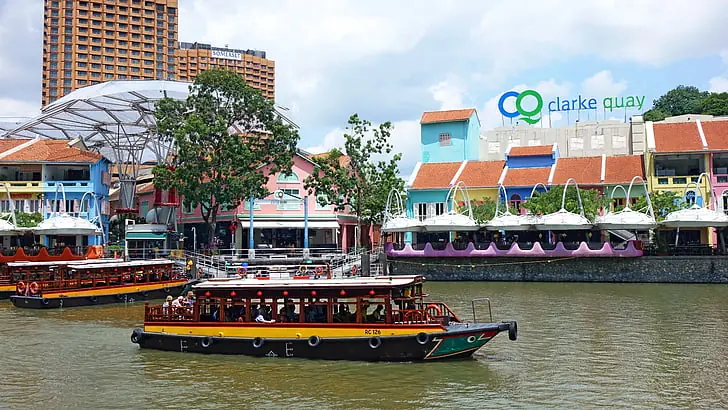
1. Advantages of Starting a Tourism Company in Singapore
- Strategic Geographic Location: Singapore is located at the center of Southeast Asia with convenient transportation, serving as an important regional tourism transit point and destination.
- Tourism Industry Development Prospects: As an international tourism destination with world-famous attractions such as Marina Bay, Sentosa, and Universal Studios, Singapore attracts millions of international tourists annually.
- Stable Business Environment: Singapore's legal and regulatory environment is very stable, allowing businesses to operate in a fair and transparent market while enjoying numerous preferential policies.
- Rich Multilingual Workforce: Singapore is a multilingual and multicultural society. Tourism companies can leverage this multicultural advantage to attract tourists from different countries and regions.
2. Process for Starting a Tourism Company/Travel Agency
1. Company Registration
To start a tourism company, you first need to register a company with the Accounting and Corporate Regulatory Authority (ACRA) in Singapore. Most tourism companies choose to register as a Private Limited Company (Pte Ltd) due to its limited liability and tax advantages.
Singapore Company Registration Process:
- Choose Company Name: The company name needs to be approved and ensure it doesn't duplicate existing companies.
- Submit Registration Documents: Including information about company directors, shareholders, company secretary, and registered address. Foreigners can fully own company shares, but at least one local resident must serve as a director.
2. Apply for Travel Agent Licence
In Singapore, all companies providing tourism-related services (such as outbound tourism, inbound tourism, flight bookings, tour packages, etc.) need to apply for a Travel Agent Licence, which is issued by the Singapore Tourism Board (STB).
Application Steps:
- Submit Application: The travel agent licence application needs to be submitted online, providing detailed company information such as company registration certificate, business plan, financial statements, etc.
- Pay Application Fee: The application fee for a travel agent licence is SGD 200. Once successful, the licence is valid for one year and needs annual renewal.
- Minimum Capital Requirement: To obtain a travel agent licence, the company needs to prove it has at least SGD 100,000 in operating capital (during the company's initial operating phase). This fund is used to prove the company's ability to pay customers and suppliers.
3. Insurance and Financial Guarantee
According to Singapore Tourism Board regulations, travel agencies need to provide financial guarantees to ensure consumers can receive compensation when the tourism company faces financial problems. Common forms of financial guarantees include:
- Travel Agency Insurance: Travel agencies must provide travel insurance for their services to cover customer losses due to trip cancellations, accidents, etc.
- Customer Protection Insurance Scheme: This is protection provided by travel agencies for their customers, ensuring customers can receive compensation or refunds when the travel agency goes bankrupt or closes down.
Additionally, travel agencies need to provide financial reports to ensure the company has the ability to fulfill its commitments and obligations.
4. Office Premises and Employee Hiring
Tourism companies need to have an actual office space, and the office address must comply with commercial use regulations. After establishing an office, tourism companies need to recruit experienced staff including travel consultants, tour guides, travel itinerary planners, etc.
- Local and Foreign Employees: If you plan to hire foreign employees, you need to apply for an Employment Pass (EP) for them; for local employees, you need to open CPF accounts and contribute to CPF.
5. Opening Company Bank Account
After company registration is complete, you need to open a commercial bank account for the company to manage daily operational finances, including paying suppliers and receiving customer payments.
6. Marketing and Advertising Licence
To attract customers, tourism companies typically advertise and promote through different channels. If the company plans to post street advertisements, display boards, hold promotional events, etc., an Advertising Licence may be required. Additionally, when promoting tour packages, tourism companies must comply with Singapore's advertising regulations to ensure advertising information is truthful and accurate.
7. Tourism Product and Service Pricing
When pricing tourism products and services, full consideration must be given to market competition, operating costs, and service quality. Tourism companies typically provide the following types of services:
- Customized Travel Itineraries: Providing tailored travel services for customers, designing itineraries based on customer needs.
- Visa Processing: Providing visa application services for outbound tourists.
- Flight and Hotel Bookings: Providing bookings for flights, hotels, and other travel-related services.
- Tour Guide Services: Providing tour guide services for inbound tourists, introducing Singapore's attractions and culture to visitors.
3. Qualification Requirements
1. Travel Agent Licence Requirements
- Minimum Operating Capital: At least SGD 100,000 in operating capital to support daily business operations.
- Insurance and Customer Protection: Companies need to provide adequate insurance coverage for their services and join customer protection schemes to ensure customer interests are protected in case of financial problems.
- Legal Operations: Companies must comply with Singapore Tourism Board regulations and policies, ensuring tourism products and services provided are legal and meet industry standards.
When applying for a travel agent licence, applicant companies need to meet the following requirements:
2. Professional Qualifications and Certification
For tour guides or travel consultants, the Singapore Tourism Board provides relevant training and certification. If companies plan to provide tour guide services, they need to ensure tour guides hold valid tour guide certificates and are STB certified.
3. Consumer Protection and Compliance
Tourism companies must comply with Singapore's Consumer Protection Fair Trading Act (CPFTA), ensuring transparent pricing for all tourism products and services, truthful promotional information, and protecting customer rights in case of disputes.
4. Singapore Government Support Plans for Tourism Industry
The Singapore government has launched support plans to promote tourism industry development, helping travel agencies and tourism-related companies gain more development opportunities:
- Tourism Development Fund (TDF): This fund aims to support innovative tourism projects, especially new tourism products and services that can attract more visitors. Businesses can apply for this fund to develop new tourism experiences or enhance existing services.
- Productivity Solutions Grant (PSG): Tourism companies can use this grant to improve business digital transformation, such as adopting Customer Relationship Management (CRM) systems, online booking systems, and other tools to enhance operational efficiency.
- Skills Development Plans: The Singapore Tourism Board and SkillsFuture Singapore (SSG) provide various training and development plans to help travel agency employees improve service skills and obtain relevant certifications for tour guides or travel consultants.
5. Conclusion
Starting a tourism company or travel agency in Singapore requires detailed planning and compliant processes, including company registration, applying for travel agent licence, obtaining insurance coverage, etc. By choosing suitable tourism products and services, pricing reasonably, and ensuring compliant operations, your tourism company can thrive in Singapore. Additionally, government support plans can help tourism companies accelerate development and attract more international and local tourists. Singapore's position as Asia's tourism hub provides tremendous market opportunities and an excellent business environment for emerging tourism companies.