
Process and Qualification Requirements for Opening a F&B Company in Singapore
The process and qualification requirements for opening a F&B company, restaurant, or eatery in Singapore include the following key steps:
1. Singapore Company Registration
- Business Structure: When registering a company in Singapore, private limited companies (Pte Ltd) are usually chosen due to their limited liability advantages.
- Company Registration: You must register your company with the Accounting and Corporate Regulatory Authority (ACRA) in Singapore. This includes selecting a unique company name and appointing directors and shareholders.
- Time Required: Usually completed within 1 to 2 days.
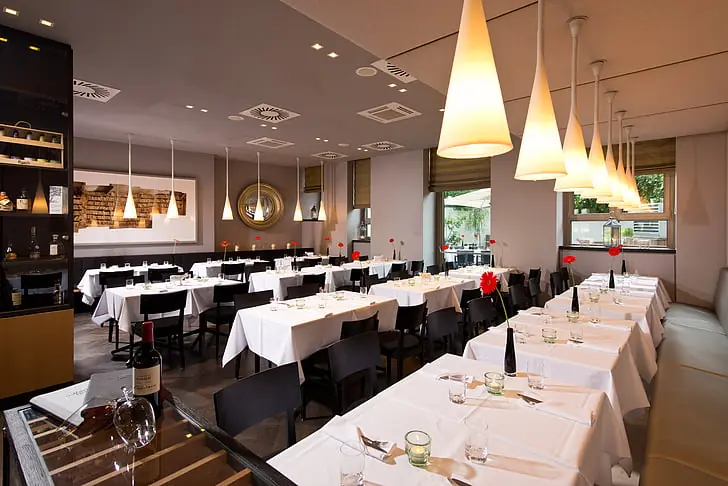
2. Site Selection and Lease
- Location Selection: F&B companies should choose areas with high foot traffic, such as shopping centers or commercial districts, to attract more customers.
- Lease Agreement: Before leasing commercial premises, you must sign a commercial lease agreement and conduct legal review.
3. License and Permit Applications
Opening a F&B company in Singapore involves several important steps, especially the process of applying for licenses and permits. Here are the detailed instructions:
- Food Shop Licence After completing company registration and work permit matters, the first step is to find a suitable location for your restaurant. According to the Environmental Public Health Act, all F&B companies must obtain a Food Shop Licence issued by the National Environment Agency (NEA) of Singapore before selling food or beverages. Before applying for a Food Shop Licence, the restaurant location must be confirmed, as the authorities will inspect the premises before approving the license. The following documents are required when applying for a Food Shop Licence:
- Copy of both sides of ID card (for individual applicants) or company business profile and copy of company registration certificate;
- Scaled layout plans of kitchen, preparation area, pantry area, toilets, storage rooms, and other areas;
- Lease agreement signed between owner and applicant; if applicable, approval documents from Housing Development Board (HDB), Urban Redevelopment Authority (URA) and/or Building and Construction Authority (BCA);
- List of food handlers and their typhoid vaccination certificates; X-rays for food handlers aged 45 and above; list of food hygiene officers (to be filled in prescribed format). Applications are usually submitted online, with processing time of 1 to 2 weeks.
- NEA will inspect your restaurant premises, and if all conditions are met, will issue provisional approval and a list of hygiene compliance requirements. After restaurant renovation is completed, you need to contact NEA for on-site inspection. Only after passing can you obtain the Food Shop Licence, which needs to be renewed annually.
- Halal Certification About 15% of Singapore's population is Muslim. If your restaurant plans to serve the Muslim market, it is recommended to apply for Halal certification. The Islamic Religious Council of Singapore (MUIS) is responsible for reviewing and issuing Halal certifications, and restaurants must follow strict regulations. Halal certification fees range from S$480 to S$640, depending on the floor area. All Halal certification applications must be submitted online.
- Liquor Licence If your restaurant plans to serve alcoholic beverages, you must apply for a liquor license from the Singapore Liquor Licensing Board. Licenses are divided into public house licenses and beer house licenses. Public house licenses are further divided into Class 1 and Class 2 based on different serving hours and types. Two-year license fees range from S$520 to S$1,600, with application processing time of 14 days, depending on document completeness.
- Public Entertainment Licence According to the Public Entertainments and Meetings Act, hosting any form of public entertainment activities (such as live performances, concerts, etc.) in restaurants requires applying for a Public Entertainment or Arts Entertainment Licence, unless exempted. Operating public entertainment without a license faces fines of up to S$10,000.
- Food Import Licence If the restaurant needs to import foreign food ingredients, such as raw spices, unprocessed or semi-processed foods, bottled water, alcohol, etc., you need to register with the Singapore Food Agency (SFA) and apply for a trader's permit. Food safety is paramount for imported food, and you need to ensure that imported food meets Singapore's safety standards. Additionally, before applying for an SFA trader's license, you also need to obtain an import/export permit (CR number) from Singapore Customs. It is recommended to work with local logistics companies to improve efficiency and save costs.
4. Staff Recruitment and Training
- Staff Recruitment: F&B companies need to hire experienced chefs, waitstaff, management personnel, etc. Foreign employees need to apply for work permits (Employment Pass or S Pass).
- Training: All employees need to undergo food hygiene and service standards training to ensure high-quality service provision.
5. Renovation and Equipment Procurement
- Renovation Plan: Design according to restaurant style and ensure kitchen equipment meets safety and hygiene standards.
- Equipment Procurement: Including kitchen utensils, furniture, POS systems, etc., ensuring necessary infrastructure for operations is in place.
6. Pre-opening Inspection
- Government Inspection: Before opening, inspections by relevant government departments are required to ensure compliance with all hygiene, safety, and licensing requirements.
- Marketing and Promotion: Before opening, you can promote through online and offline channels to attract customers.
By following the above steps, you will be able to successfully open and operate a F&B company in Singapore.